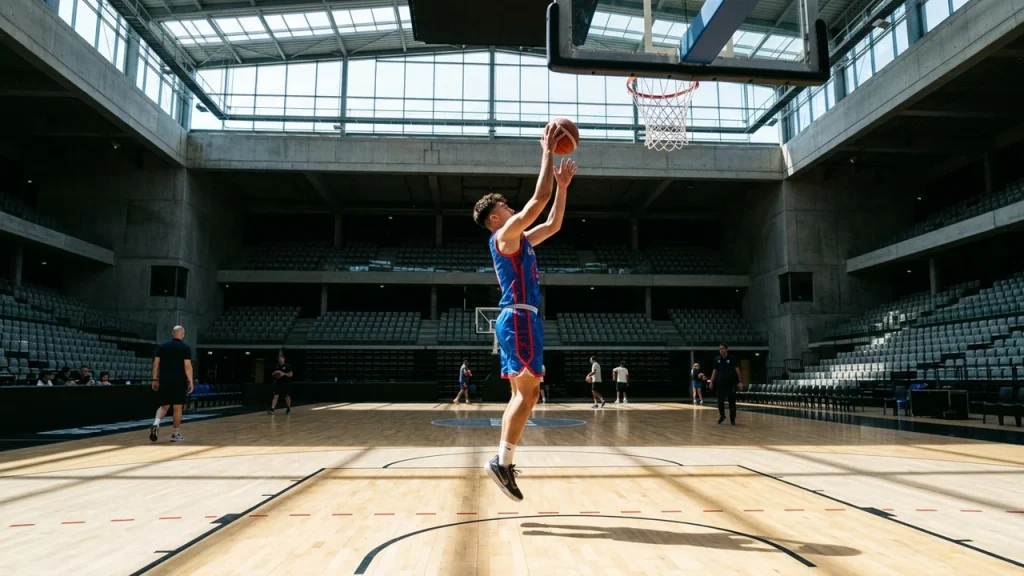
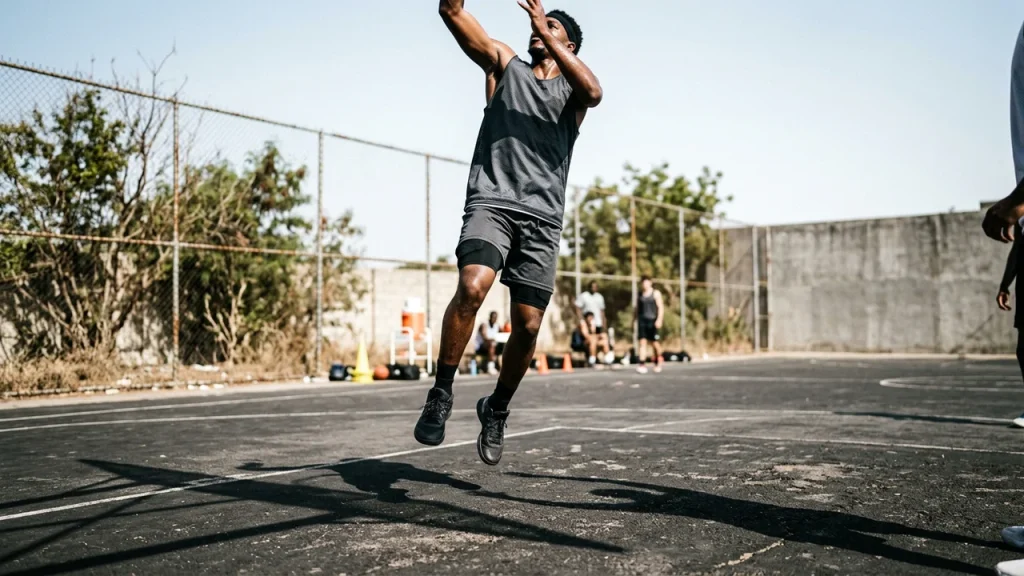
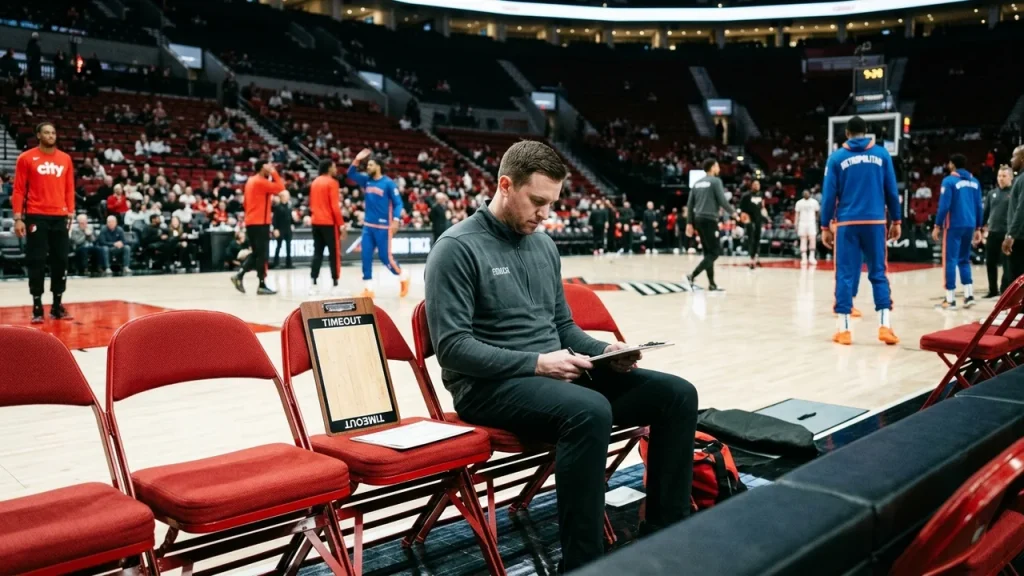
The frenetic pace of basketball in late October 2025 came with an unexpected twist that’s got fans and players buzzing from Nike courts to Puma playgrounds worldwide: officiating is tightening up. Between Adidas guards breaking ankles and Under Armour forwards pounding the paint, referees are sharpening their whistles, making calls more vigilant than ever. This spike in strictness isn’t just referee overreach but a nuanced recalibration focused on fairness, player safety, and upholding the spirit of the game. As discussions rage, understanding what’s being called tighter, why it’s essential, and how it changes the flow can transform your fan experience from casual to court-savvy in one buzzer-beater.
From the NBA to EuroLeague arenas, the evolving refereeing emphasis affects how crisp that turnover feels, how fierce that block becomes, and how heated rivalries flare. Let’s unspool what’s happening between October 21 and 26, exploring the nuances behind these calls so that every Wilson, Spalding, or Molten dribble translates into pure game edge instead of frustration. Ready to jump through screens, dodge invisible fouls, and read between the flags? Here’s the rundown on the tighter whistle wave sweeping courts this autumn.
Understanding the Tighter Calls: What’s Changing in Basketball Officiating This Week
Every season brings tweaks to refereeing that make the game feel fresh and ensure it evolves alongside player athleticism and style. But late October 2025 is spotlighting a particularly sharp pivot: referees have cranked up enforcement on certain infractions, transforming casual moments into high-stakes judgment calls. The following infractions have caught the official spotlight from the NBA hardwood to college courts sporting Puma socks and Under Armour sneakers.
- Hand checking: Referees are cracking down harder on defenders who use their hands to hinder ball handlers’ progress. What used to be borderline now often draws immediate whistle attention, increasing offensive flow.
- Defensive three seconds: The NBA’s defensive three-second rule is being implemented with more consistency, discouraging “camping” in the paint, thus opening lanes for quick slashes and crisp passes.
- Flopping and exaggerated contact: With deep video review tools integrated by RefGear systems, officials are spotting more subtle attempts to draw fouls by embellishing contact, making players think twice about flop theatrics.
- Shot clock violations: The moment the clock hits zero is being called with razor precision thanks to enhanced timing technology from Wilson and Spalding game balls embedded with sensors.
- Offensive fouls and charges: Body control and legal positioning are scrutinized more intensely, penalizing “cheap” space invasions and rewarding disciplined footwork.
For players and coaches, these changes require immediate adaptation, or risk turning pivotal match moments into turnovers or free-throw sequences. Fans, meanwhile, witness a faster pace but sometimes more whistle-heavy gameplay—a tradeoff that keeps the balance between flow and fairness.
| Infraction | Previous Enforcement | Current Tighter Enforcement | Impact on Gameplay |
|---|---|---|---|
| Hand Checking | Occasional calls based on severe contact | Frequent calls, even on light hand contact | Faster ball movement, more offense |
| Defensive 3-Second | Inconsistent enforcement | Strict and uniform calls | Less congestion in paint, clearer lanes |
| Flopping | Rare penalization | Increased fouls and warnings | Discourages fake contact, promotes honesty |
| Shot Clock | Some leniency for buzzer beats | Zero tolerance for late releases | Sharper plays under pressure |
| Offensive Fouls | Lax calls on charges | Strict calls to control body use | Promotes clean offense, better spacing |
Behind the whistles are training programs like those from RefGear and innovations in whistle technology by Fox 40, ensuring officials remain consistent, precise, and in sync with the game’s elevated speed. When Adidas shooters lash out with a three or Nike-powered guards slash, these tightened rules guarantee the game’s heart beats fair and loud.
Why Tighter Officiating Matters: The Impact on Players, Teams, and Fans
Tighter whistles aren’t a referee power-trip—they’re game balancers, designed to keep basketball’s fast rhythm intact while protecting player safety and integrity. Imagine an unstoppable court magician weaving through defenders. If hand checking or flopping tips the scale, fans get robbed of pure, fair highlight reels. This increased diversity in rule enforcement keeps players honest and matches more thrilling.
Consider these effects on three fronts:
- Player safety and health: Tighter calls reduce dangerous contact and shoving that can lead to injuries, a priority for leagues seeking to protect their marquee Nike, Adidas, and Under Armour athletes.
- Game integrity: Consistent enforcement lessens biased calls and controversy, as seen through the FIFA Referee Education & Development Programme’s approach transferred to basketball via advanced training and video feedback.
- Fan experience: Lesser game-stopping disputes, clearer rule application means viewers—whether courtside or watching on Molten-powered broadcasts—can enjoy more unfiltered basketball moments.
Breakdowns and breakdowns of play often come down to how these rules get applied. For instance, a tighter shot clock enforcement by officials ensures thrilling last-second shots aren’t questioned for milliseconds’ tardiness, a win for both players and fans alike. Off-court, brands like Puma and Spalding see this as an opportunity too, as cleaner rules mean better marketability for shoe and ball tech that withstands the new game’s swiftness.
| Area | Reason Tighter Calls Matter | Example from Recent Games |
|---|---|---|
| Player Health | Reduces dangerous physical contact | Decrease in hand-check-related injuries on defensive players |
| Fairness & Integrity | Promotes consistent officiating | Decreased disputes over defensive 3-second violations |
| Fan Engagement | More fluid, exciting basketball | Last-second buzzer beaters decisively called |
While some players may grumble about ‘tight calls’ cutting into their physical style, seasoned coaches like those leading college teams and international leagues emphasize that these rules push evolving basketball IQ, rewarding smart play that transfers to better team chemistry and thrilling finishes.
The Training and Technology Behind Modern Officiating: RefGear and Fox 40 Leading the Charge
A basketball game’s flow often hinges not just on player skill but on the referee’s ability to call it right under pressure. This week’s emphasis on tighter calls reflects not just a change in instructions but the behind-the-scenes mastermind work in official education and tech upgrades. The FIFA Referee Education & Development Programme’s basketball-season-inspired initiatives have enhanced both training access and officiating accuracy globally, blending video-based learning with workshops from regional to pro levels.
Key elements in this training-tech combo include:
- Video replay tools: Leveraging playback tools, referees evaluate flopping, hand checking, and off-ball fouls with a sharper eye.
- RefGear training modules: Online, interactive courses tackle situational scenarios, allowing referees to practice calls before games even start.
- Fox 40 whistles: The gold standard for basketball whistles, now fitted with sensors that detect airflow, ensuring crisp communication during heated moments.
- Smart game balls: Wilson and Spalding balls embedded with sensors timing buzzer-beater releases down to milliseconds.
All these tools make an official’s job less of a guessing game and more of a polished craft, resulting in tighter, fairer officiating. For players used to the foot-dragging tactics and hand-holding on defense, this means defenders have to adjust and clean up, or see the whistle call repeatedly.
| Tool/Program | Function | Benefit to Officiating |
|---|---|---|
| RefGear Educational Modules | Simulated game scenarios and rules updates | Improved decision-making consistency |
| Fox 40 Enhanced Whistles | Clear, sensor-aided whistle sound | Better communication on court |
| Video Replay Technology | Review of disputed calls | Reduces errors and game-ending controversies |
| Wilson & Spalding Smart Balls | Sensor-timed shot clock precision | Accurate fouls and buzzer-beaters validation |
This fusion of education and innovation resembles a perfectly executed pick-and-roll: all parts working in sync to elevate the overall basketball experience, minimizing bad calls and maximizing clean contests.

Controversies and Conversations: How Fans and Analysts Are Reacting to Stricter Officiating
Stricter refereeing inevitably lights up social media, locker rooms, and broadcast booths—and this past week was no different. The ripples spread from passionate college basketball crowds sporting Puma gear to NBA arenas decked out in Adidas fanwear. While many praise the enhanced fairness, others grumble about rhythm loss and perceived nit-picking. Analysts like Fox Sports’ Joel Klatt have gotten vocal about these trends, adding fuel to the debate.
Highlights in the chatter include:
- Concerns over consistency: Critics highlight that inconsistent calls across different conferences and games dilute the fairness tight officiating aims to build.
- Calls for centralized officiating bodies: Rather than patchwork enforcement dependent on region, fans desire a national refereeing system mirroring professional standards.
- Player adaptation struggles: Elite athletes from college to pro levels debate how much the rules curb aggression versus improve game quality.
- Memes and fan reactions: Social media buzz featuring clips where hand-check fouls or flop calls have turned game tides—sometimes to uproarious delight, other times to frustration.
These conversations underscore the delicate balancing act officials perform—too loose, and the game becomes a physical wrestling match; too tight, and the flow bogs down under whistles. Yet, the willingness to listen, adjust, and educate keeps ref-focused basketball evolving.
| Perspective | Support or Criticism | Example Comment or Event |
|---|---|---|
| National Officiating Standard | Support | Joel Klatt’s Twitter call for centralized college football officiating to reduce inconsistency |
| Stricter Calls Disrupting Game Flow | Criticism | Fan uproar during college basketball Week 7 over charge calls and flopping penalties |
| Player Adaptability Concerns | Mixed | College coaches noting difficulty adjusting to tighter hand-check rules |
| Positive Impact on Fairness | Support | Broad fan appreciation for cleaner, less disputed ending plays in NBA matches |

Looking Ahead: What Stricter Officiating Trends Could Mean for Basketball’s Future
As October 2025 closes, basketball’s refereeing landscape is undeniably shifting toward tighter, smarter, and tech-assisted calls in nearly every league—from local courts sporting Mitre branded basketballs to the grand stages flaunting Nike and Adidas exclusives. This trajectory promises not just a higher level of fairness but also a deeper strategic approach from players and coaches.
Forward-thinking teams have already started scouting how to exploit or mitigate these tightened enforcement areas. For example, smarter offensive sets now exploit the reduced defensive time in the lane thanks to defensive three-second calls, while defensive units emphasize footwork over hand checking to avoid whistles.
- Integration of AI tools: Some leagues are experimenting with AI-augmented officiating to flag missed calls in real-time, improving human decision accuracy without killing game flow.
- Player skill evolution: Reduced reliance on physicality will push players to sharpen passing, shooting, and off-ball movement—think more fluidity akin to the best Adidas and Puma pro-level performances.
- Fan-engagement innovation: Real-time whistle explanations and interactive tech platforms educate fans on why calls happen, turning spectators into knowledgeable allies of referees rather than critics.
- Stricter global consistency: Bridging gaps between college, professional, and international leagues to standardize calls regardless of venue or brand saturation.
Although these changes might ruffle some feathers initially, the outlook is a cleaner, faster, and more captivating basketball spectacle where the ball’s bounce, not the refs’ whistles, decide the story. With brands like Wilson and Spalding innovating the balls and Fox 40 pushing whistle tech, this is only the beginning of a thrilling, whistle-tight era.
| Future Trend | Possible Impact | Benefit to the Game |
|---|---|---|
| AI-Assisted Officiating | Real-time error correction | More accurate, fair calls without interrupting flow |
| Player Skill Adaptation | Less physical, more finesse | Higher-quality, exciting basketball |
| Fan Interaction Tech | Enhanced spectator understanding | Increased fan appreciation and decreased backlash |
| Global Rule Standardization | Unified officiating rules | Fairness across leagues and countries |