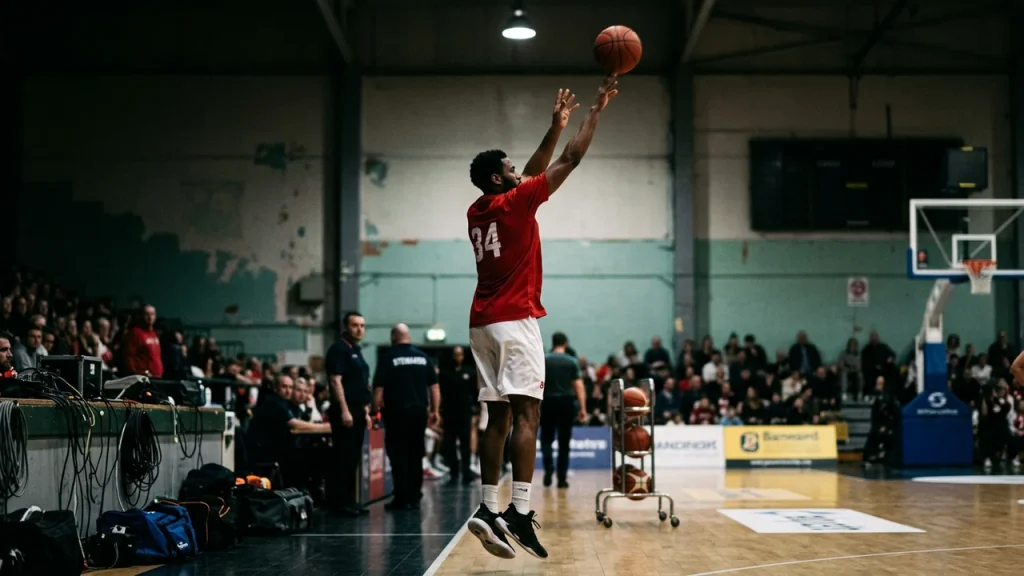
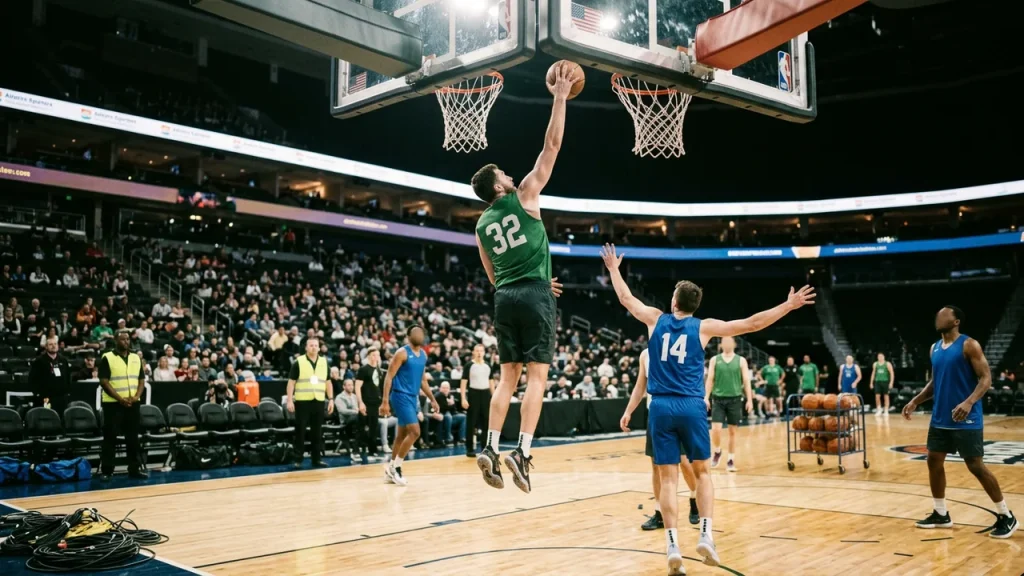
Basketball today is less about sheer muscle and more about the marvels of metrics. Analytics have snatched the ball from gut feelings and tossed it into the data-driven court where every shot is measured, every angle calculated, and every player’s move scrutinized under the unforgiving lens of numbers. The once sacred mid-range jumper has been exiled in favor of the three-pointer and layups at the rim, all thanks to advanced analytics engines like SportVU, Second Spectrum, and ESPN’s deep dives into player efficiency.
Teams no longer just guess which players are hot—they know it in real time, using platforms such as Synergy Sports and ShotTracker to track shooting habits to near obsession. The NBA, alongside international leagues, now relies on these insights to craft offensive juggernauts and defensive enigmas. And it’s not just about making shots; it’s about health and load management too, with wearables feeding continuous streams of physical data, keeping stars ready for playoff battles. This evolution, vividly demonstrated by franchises like the Golden State Warriors and Houston Rockets, takes us deep into a world where winning is an exact science and shooting trends are at the heart of basketball’s revolution.

Advanced Analytics and the New Era of Shooting Efficiency in Basketball
The basketball court has transformed into a data lab. No longer is shot-making a garage project of overnight practice; it’s now a calculated science driven by advanced analytics. Gone are the days when players could rely solely on instinct and athleticism. Today, sophisticated metrics guide shooting decisions and player roles more than ever before.
Key advanced shooting metrics shaping basketball today:
- Player Efficiency Rating (PER): Synthesizes a player’s all-around value incorporating shooting efficiency, turnovers, assists, and defense, rather than relying on raw counting stats.
- True Shooting Percentage (TS%): A comprehensive shooting efficiency measure that includes field goals, three-pointers, and free throws to reveal a more accurate shooting impact.
- Shot Chart Analytics: Heatmaps showing where players are most effective on the court, guiding where to position shooters and defenders.
NBA teams deploy SportVU and Second Spectrum tracking systems to gather location and movement data that power these analytics. For example, synergy between offensive players is often visualized by passing patterns and spacing metrics provided by Synergy Sports. Meanwhile, platforms like ShotTracker offer real-time shooting diagnostics during practice and games, giving coaches a treasure trove of actionable insights.
This data revolution has pushed players to specialize their shooting to areas with the highest efficiency. If a player excels in hitting corner threes, that’s where they’ll reign supreme. This hyper-specialization is sometimes criticized for reducing unpredictability but cannot be denied for its strategic brilliance. Check out platforms like Basketball Reference and Stats Perform to get detailed shooting splits and player efficiency narratives that reveal these trends in vivid detail.
| Metric | Description | Impact on Shooting Trends |
|---|---|---|
| PER | Composite measure of player efficiency | Drives decisions to bench high-volume but inefficient shooters |
| True Shooting % | Weights all shooting types for accuracy | Encourages prioritizing threes and shots at rim over mid-range |
| Shot Chart Heatmaps | Visual shot accuracy by court zones | Guides player positioning and defensive focus |
The NBA’s embrace of these advanced metrics increasingly shapes not only how players train but also how they take shots during crunch time. For a view on how these trends play out live, tune in to games like the Celtics vs. Heat to watch analytics-driven shooting strategy unfold in real-time.
The Three-Point Revolution: Analytics Driving the Long-Range Explosion
Remember when fans went wild for poster dunks and baseline drives? Those days are now a nostalgic relic thanks to the analytics-led transformation of the three-point shot into basketball’s most potent weapon. This shift is no accident—it’s a direct outcome of data proving the triple-pointer yields greater scoring efficiency and influences defensive spacing dramatically.
Why the three-point shot dominates modern basketball:
- Higher Point Value: A three-point shot is worth 50% more than a two-pointer, incentivizing volume attempts.
- Spacing the Floor: Teams like the Warriors harness the threat of the three to pull defenders out, creating driving lanes.
- Improved Shooting Skills: Advances in training and tech, backed by analytic insights, have produced a generation of sharpshooters.
Golden State’s blueprint, led by Steph Curry and Klay Thompson, pivoted the NBA’s identity toward long-range bombardment, forcing rivals to adapt quickly. The Rockets under Daryl Morey took things even further, essentially eliminating mid-range shots in favor of what they called “3s and layups” — and holy smokes, they unloaded three after three! These examples cement the link between powerful analytics platforms, such as Synergy Sports and Hudl, and innovative team strategies.
Defensively, analytics also redefine priorities: guarding the perimeter has become paramount, while allowing contested mid-range shots is seen as an acceptable trade-off. ShotTracker technology feeds defensive coaches live data on opponents’ tendencies, reshaping how they organize defenses to thwart the long-range barrage.
The consequences ripple outside North America too; EuroLeague teams increasingly incorporate these trends, as spotlighted in matches such as Fenerbahce vs Real Madrid, where three-point proficiency can turn the tide quickly.
| Aspect | Previous Norm | Current Trend | Analytics Tool Influence |
|---|---|---|---|
| Shot Preference | Mid-range and paint shots | Focus on three-pointers and rim attempts | SportVU, Second Spectrum |
| Defensive Strategy | Protect paint, contest all shots | Contest threes, concede inefficient mid-range | ShotTracker, Synergy Sports |
| Training Focus | All-around skills | Long-range shooting specialization | Hudl, Stats Perform |
Innovative Training Technologies Revolutionizing Shooting Accuracy
The days of simply running endless shooting drills are numbered. Modern basketball training wields the combined power of wearable tech, machine learning, and virtual reality (VR) to transform athletes into precision shooters. These technologies complement the rich troves of analytical data, enabling players to focus their practice on exactly what works best for them.
Wearables, such as those tracked by the NBA in partnership with platforms like Stats Perform and Krossover, offer feedback on shooter biomechanics, release time, and even fatigue levels. Imagine a device picking up that your wrist flick is 0.1 seconds slower than optimal and tweaking your routine accordingly—that’s the kind of edge today’s players get.
The rise of VR technology allows players to simulate game situations without the wear and tear on their bodies. Picture rehearsing a clutch three-pointer in a buzzing virtual arena where every look and faked defender mimics real-game intensity. It’s practically like time travel for skill development.
Top training innovations shaping shooting in 2025:
- Biomechanical Wearables: Track shooting angle, wrist flick speed, and jump height.
- Virtual Reality Sessions: Practice shot selection and muscle memory under game-like pressure.
- Machine Learning Analytics: Analyze shot patterns to produce personalized, evolving shooter drills.
- Video Analysis Platforms: Using Hudl and Krossover to break down shooting form frame-by-frame.
- Recovery and Load Monitoring: Using data from sports science to avoid overtraining injuries.
Such innovation explains the improved shooting ranges and consistency seen across the NBA, as reported in detailed analyses like those on players extending shooting ranges reliably. It’s no surprise that even veterans like LeBron James employ wearable tech religiously to stay sharp and healthy, combining experience with analytics-fueled precision.
| Technology | Purpose | Benefits to Shooting |
|---|---|---|
| Wearables | Tracking biomechanics and fatigue | Customized adjustments, injury prevention |
| Virtual Reality | Simulating game scenarios | Improved shot decision-making under pressure |
| Machine Learning | Pattern recognition in shot attempts | Tailored training routines focused on weaknesses |
Managing Player Health and Optimizing Load for Shooting Longevity
Analytics in basketball isn’t limited to scoreboard stats; it’s a behind-the-scenes guardian of player health, a role more crucial than ever in maintaining shooting prowess throughout grueling seasons. The integration of wearables and platforms like Stats Perform and Hudl has empowered teams to monitor workload meticulously, adapting training and rest to fend off injury and burnout.
How analytics revolutionize health and load management for shooters:
- Continuous Monitoring: Real-time data from wearables on heart rate, movement patterns, and muscle load.
- Customized Training Load: Adjusted practices to balance skill enhancement with recovery.
- Injury Prevention: Early detection of fatigue markers to prevent overuse injuries, especially for players with high-volume shooting roles.
- Strategic Rest: Load management concepts that optimize performance peaks for playoffs, as detailed in EuroLeague analytics and player management cases.
The 2019 Toronto Raptors’ championship run demonstrated this perfectly with Kawhi Leonard’s carefully managed minutes—less wear during the regular season translated to surgical precision when it mattered most. Teams now replicate this approach, balancing data-driven rest and shooting execution with surgical accuracy.
| Health Management Aspect | Analytics Application | Benefit to Shooting Performance |
|---|---|---|
| Fatigue Tracking | Using heart rate variability and movement data | Prevents decline in shooting accuracy during games |
| Load Adjustment | Modifying practice intensity and in-game minutes | Maintains peak shooting efficiency over season |
| Recovery Optimization | Personalized recovery protocols based on data | Reduces risk of injury, prolongs shooting careers |
For fans curious about how player availability and shooting efficiency meet in tension, catch energetic contests like the Clippers vs. Mavericks matchup where rest and performance analytics play out live on the NBA stage.

Data-Driven Coaching and Strategic Decisions Transforming Shooting Trends
Basketball coaches today aren’t just motivators yelling from the sidelines—they’re tactical geniuses fueled by real-time analytics delivered by platforms like Second Spectrum and Synergy Sports. Shot selection, player rotations, and in-game adaptations now hinge on ever-expanding data sets. This evolution reshapes how and when shooting opportunities arise, forcing players and coaches to become masters of efficiency.
Examples of data-driven coaching changes influencing shooting patterns:
- Lineup Optimization: Leveraging data to identify high-efficiency shooting combos and matchups, changing rotations dynamically during games.
- Shot Clock Management: Analytics-guided plays prioritizing optimal shot timing to maximize accuracy.
- Late-Game Strategy: Data-informed decisions on fouls, shot attempts, and defensive assignments to gain inches in clutch moments.
- Personnel Acquisition: Draft and acquisition decisions focusing on analytics-backed shooting value, as showcased in the 2025 NBA Draft coverage.
This granular level of decision-making ensures shooters get the ball when they’re most likely to succeed. It also means coaches can exploit opponent weaknesses revealed through ShotTracker and Hudl analytic breakdowns. For fans keen to see this chess match in action, watching data-powered broadcast commentary on games like Heat vs. 76ers enriches understanding of the game’s strategic layer.
| Coaching Decision | Data Utilized | Effect on Shooting Trends |
|---|---|---|
| Substitution Patterns | Player efficiency & synergy stats | Maximizes shooting success through dynamic rotations |
| Shot Selection | Heatmaps and success rates by location | Encourages shots from high-efficiency zones |
| Late-Game Fouling | Free throw percentage & clutch data | Informs strategic fouls to disrupt opponent scoring |