Ray Allen and Reggie Miller once set the standard for NBA sharpshooters, stretching defenses and changing the way teams approached the perimeter. By the time Kyle Korver was drilling threes at a 42.9 percent clip, the conversation had shifted to volume and efficiency. But the last decade has changed everything. Today, the league prizes not just accuracy, but also shot difficulty, off-the-dribble creation, and a willingness to launch from well beyond the arc.
Redick’s Shooter Hierarchy: Curry in a League of His Own
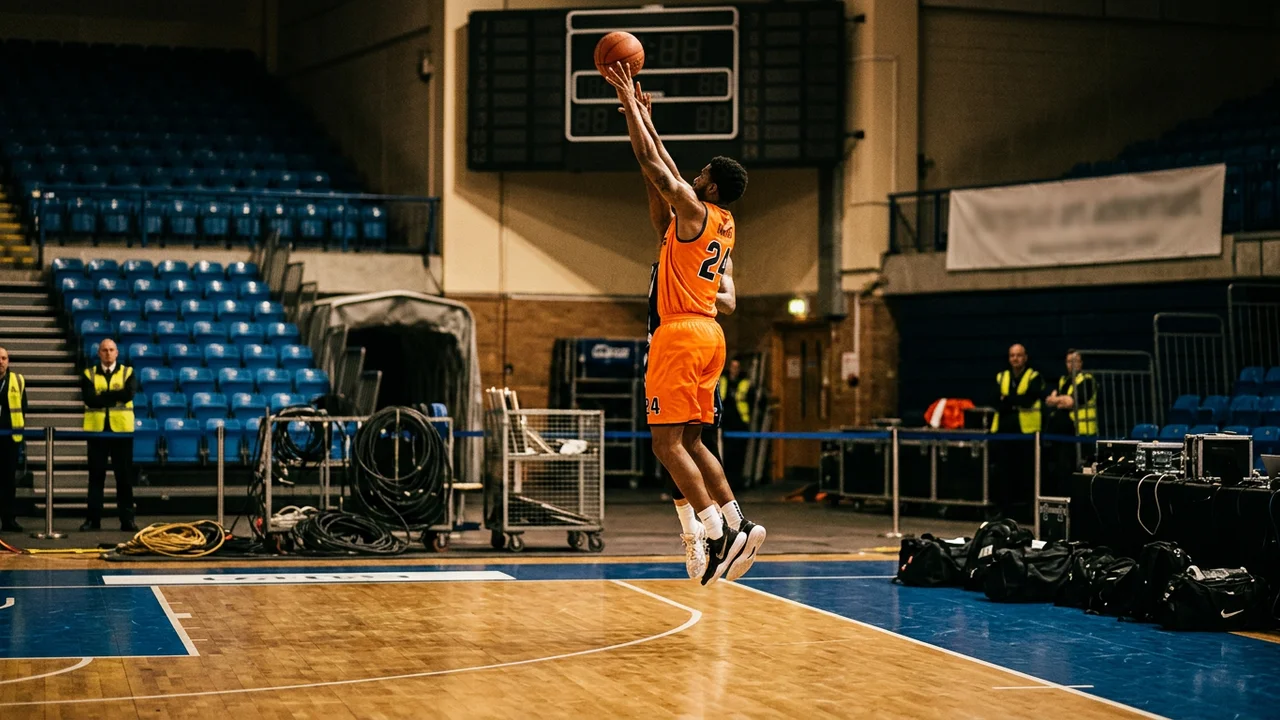
JJ Redick, now head coach of the Los Angeles Lakers, has added his voice to the debate with a blunt, data-driven take. Appearing on The Draymond Green Show, Redick didn’t hesitate: “Steph is first. Everybody else is way down the list to me.” After Curry, his top five includes Klay Thompson, Kyle Korver, Ray Allen, and Reggie Miller, though he didn’t specify an order for the rest.
Redick’s list highlights how the definition of elite shooting has changed. Miller and Allen thrived on movement and catch-and-shoot consistency. Korver’s career was built on efficiency, with more than 2,400 made threes and a spot near the top of the all-time leaderboard. Klay Thompson’s reputation comes from his ability to catch fire, as seen in his 37-point quarter in 2015 and his record 14 threes in a single game.
Curry, though, stands apart. His career is defined by high-volume attempts, deep range, and the ability to create his own shot off the dribble, even against set defenses. Opponents have reworked their entire defensive schemes just to deal with his movement and pull-up threat. That kind of tactical shift didn’t exist in the Miller or Allen eras.
Metrics Behind the Claim: Shot Difficulty and Volume
Redick points to the evolution of the game itself. Today’s shooters take more threes and attempt far tougher shots than their 1980s and 1990s counterparts. The numbers back him up: average three-point attempts per game have more than quadrupled since 1990, and the percentage of threes taken off the dribble has soared in the last ten years.
Here’s how the top shooters stack up, using career regular season data:
| Player | 3PM | 3PA | 3P% | Notable Strength |
|---|---|---|---|---|
| Stephen Curry | 3500+ | 8000+ | ~43% | Off-the-dribble, deep range |
| Ray Allen | 2973 | 7429 | 40% | Movement shooting |
| Reggie Miller | 2560 | 6486 | 39% | Consistency, clutch |
| Kyle Korver | 2450+ | 5700+ | 43% | Efficiency, catch-and-shoot |
| Klay Thompson | 2200+ | 5200+ | 41% | Scoring bursts, quick release |
Curry’s shot profile is unprecedented. He hits off-the-dribble threes at high percentages and does it in volume. Allen and Miller were masters at relocating off screens and capitalizing on set plays, but they never faced the same defensive attention or routinely pulled up from the distances Curry does.
Coaches and analysts now judge shooters by their willingness and ability to make high-difficulty threes. For Redick, Curry is the only player who checks every box.
Curry’s influence extends beyond the court. Trends in basketball projections and player valuations now emphasize shooting gravity and efficiency metrics, a direct result of his impact on the game’s tactics and analytics.
College basketball is feeling the ripple effect, too. Recent analysis of 2026 men’s final four picks shows how NBA shooting trends are shaping strategies and predictions at the NCAA level.
Redick’s ranking, and his reasoning, capture a new reality: Curry’s blend of volume, difficulty, and efficiency has rewritten the league’s shooting hierarchy. The numbers don’t lie. Curry has forced defenses, and analytics departments, to rethink what’s possible from behind the arc.