Zero. That’s how many times Marius Grigonis says he experienced meaningful player-coach communication with Ergin Ataman during his four years at Panathinaikos. For a EuroLeague-winning club, such a number isn’t just rare, it’s almost unimaginable at the elite level.
Four Years, One Description: "Organized Chaos"
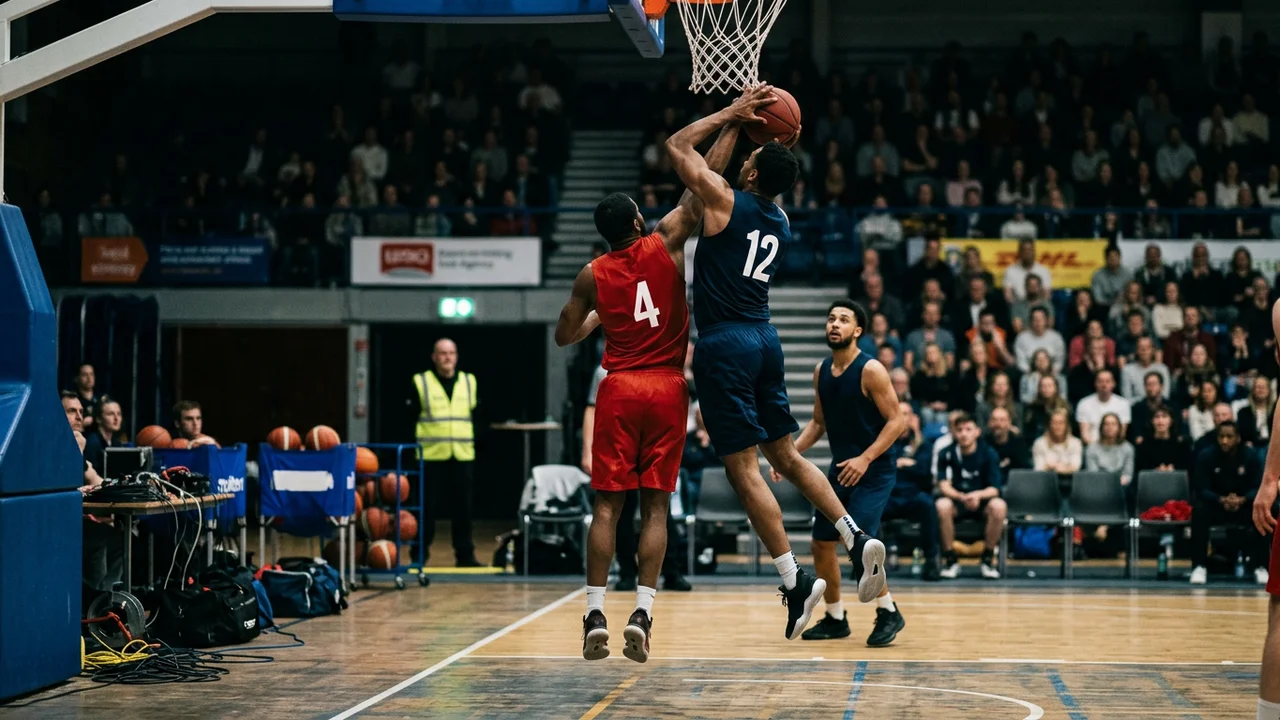
Four seasons in Athens, and Grigonis sums up his Panathinaikos tenure with two words: “organized chaos.” Now with Zalgiris, the 32-year-old international’s assessment raises immediate questions about the internal discipline of the Greek powerhouse.
He calls the EuroLeague title run one of the best stretches of his career. Yet if a player describes a championship environment as chaos, what was really happening behind the scenes? Structures may have existed, but Grigonis says they were often bypassed or ignored. The club’s foundation, he implies, was far shakier than the win column suggested.
Communication Breakdown: Ataman’s Leadership Under the Microscope
Grigonis’s most damning claim: “no communication at all” with head coach Ergin Ataman. In an era obsessed with player management and tactical clarity, Panathinaikos’s approach feels like a throwback.
He didn’t learn about his selection for away games during practice or from the coach. Instead, he found out only after practice had ended. No meetings. No feedback. No explanation of roles. “He completely distances himself from the players,” Grigonis says.
Accountability is supposed to run from top to bottom in the EuroLeague. Ataman’s isolationist style is an outlier. If a EuroLeague-winning system functions with zero direct communication between coach and player, was the success sustainable, or just a product of short-term talent and luck?
Medical Uncertainty: Player Health Handled Off-Book
Grigonis’s account of his back surgery rehabilitation further exposes the club’s organizational cracks. Multiple conflicting medical opinions. Repeated trips to Germany. Arrangements made by the player himself. This is not the protocol expected at Panathinaikos.
| Rehabilitation Phase | Club Support Level | Outcome |
|---|---|---|
| Initial recovery | Conflicting opinions | Unclear progress |
| Specialist consultations | Self-organized travel | Repeated Germany trips |
| Ongoing rehab | No unified direction | Player frustration |
Instead of club oversight, the process relied on the athlete’s initiative. For a team competing for European titles, this approach isn’t just questionable, it borders on reckless.
Relationships and the Limits of Professionalism
Despite the chaos and lack of communication, Grigonis says he maintained good relationships with the club owner and sporting director. Dysfunction, then, wasn’t total. It was compartmentalized. The owner and director kept things professional, while the coach and medical staff operated in silos.
How did Panathinaikos win at the highest level amid such fragmentation? The answer may lie in the talent and willpower of the players, not any grand design from above.
For those interested in how clubs and bookmakers assess risk in unpredictable environments, WNBA draft betting analysis offers a window into how models can fail to capture hidden instability inside organizations.
Grigonis’s revelations expose the hidden costs of success. “Organized chaos” may have delivered a trophy, but the cracks, he says, were always visible to those inside.