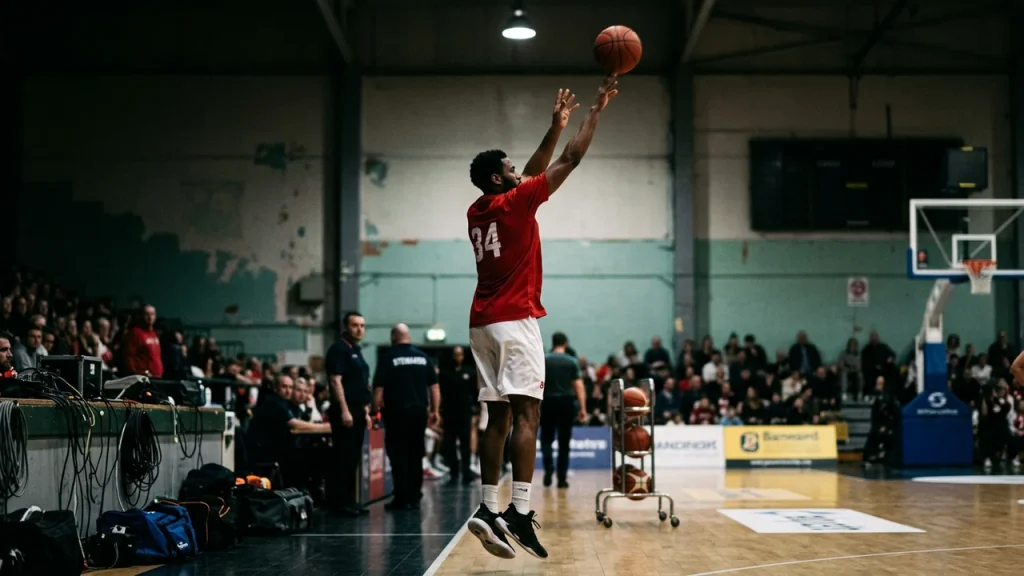
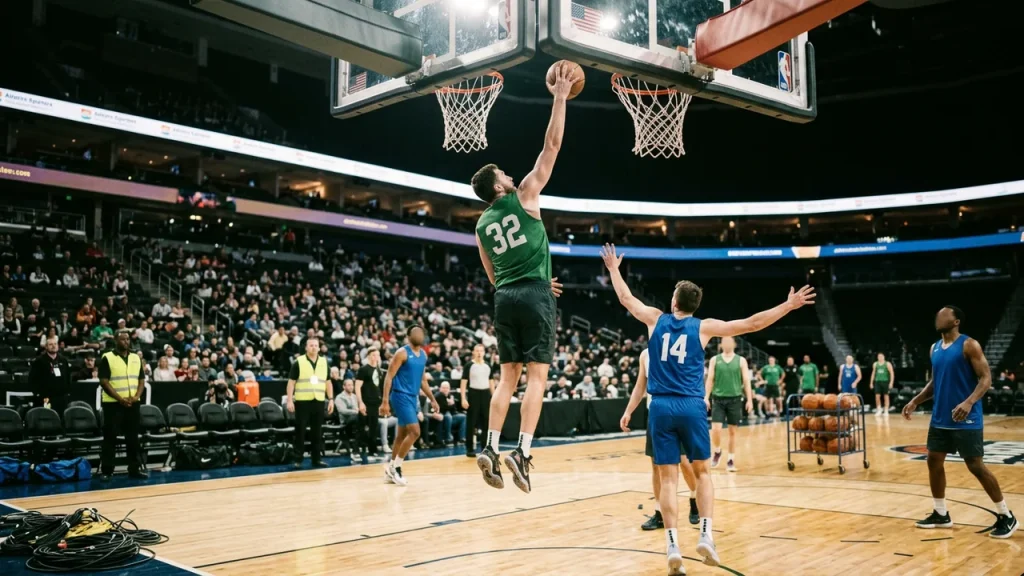
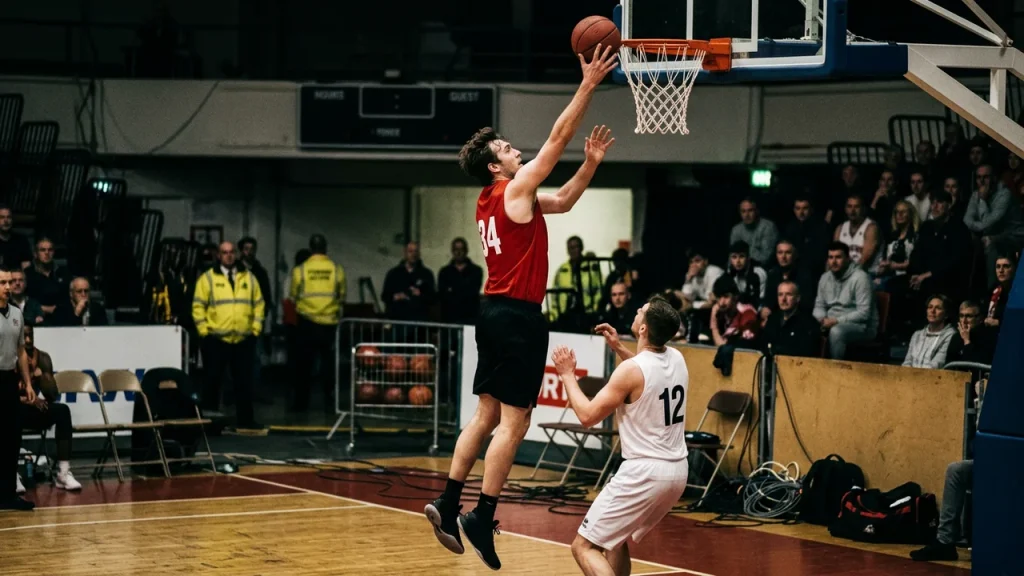
As European basketball dives headfirst into this electrifying season, coaching decisions are the secret sauce behind every win, every upset, and every pulse-pounding moment on the hardwood. From the highest stakes of the EuroLeague to the gritty battles in the FIBA Europe Cup, the chess matches played by coaches off the ball have become as gripping as the action in the paint. Strategy in 2025 is not just about who has the best players; it’s about who can twist, tweak, and sometimes rewrite the playbook to turn a tight game into a rout or steal a victory against the odds.
With teams embracing innovations like positionless basketball and three-point barrages, coaches are juggling complex decisions on player rotation and defensive schemes faster than ever. This month, those decisions aren’t just shaping individual games—they’re sculpting the trajectory of entire seasons, setting rivalries aflame and rewriting power dynamics across Europe. Whether it’s a masterstroke in game management or a daring gamble in match preparation, the impact is unmistakable—and fans are here for every thrilling second.
In brief:
- European basketball is witnessing a surge in tactical innovations, with coaches leaning heavily into dynamic player rotations and flexible defensive schemes.
- The ongoing rise of positionless basketball reshapes team tactics, demanding versatile athletes and rapid on-court adaptations.
- Three-point shooting continues to dominate offensive plays across the EuroLeague and beyond, pushing coaching strategies to emphasize spacing and precision.
- Advanced analytics and performance analysis tools are transforming coaching decisions, enabling smarter game management and tailored match preparation.
- Different competitions (EuroLeague, EuroCup, FIBA Europe Cup) showcase distinct coaching strategies, reflecting diverse goals and resources.
Decoding the Tactical Evolution in European Basketball: Coaching Decisions that Rewrite the Playbook
Europe’s top basketball leagues are no longer about rigid roles and textbook plays; they are a swirling canvas of ingenuity driven by smart coaching decisions. The shift to positionless basketball has turned lineups into shape-shifting entities. For example, Real Madrid’s head coach regularly orchestrates fluid roles, substituting players not by their jersey number but by skill set versatility. This makes traditional defensive schemes obsolete, forcing opponents to constantly adjust on the fly.
But why the fuss about positionless play? It’s about exploiting mismatches and maintaining offensive unpredictability. Coaches now design offensive plays that revolve around interchangeable players who can shoot, pass, and defend without missing a beat. Olympiacos, renowned for its tactical discipline, blends this approach with aggressive switching defenses, unsettling rivals with their adaptability. This evolution demands an elevated basketball IQ from players, compelling coaching staffs to integrate comprehensive game preparation routines that intertwine tactical theory with real-time performance analysis.
The impact of these coaching decisions extends beyond the court. They shape season strategies that influence how front offices recruit and develop talent. Young players are now conditioned to be multi-positional threats early in their careers, and scouts are trained to spot adaptable skill sets rather than traditional position markers. Observing this trend through the lens of advanced analytics, it’s clear that the modern basketball coach doubles as a strategist, psychologist, and talent developer all in one.

Three-Point Offensives and Defensive Schemes: Revolutionary Coaching Decisions Dictating Season Outcomes
If basketball were a game of chess, three-point shooting would be the queen storming across the board—and coaches are its cunning commanders. The trend of launching over 30 attempts per game from beyond the arc in the EuroLeague isn’t just a fad; it’s a calculated move influenced heavily by in-depth performance analysis. Strategic spacing is king here: by spreading the floor, coaches open driving lanes and force defenses to stretch thin, creating an offensive playground ripe for exploitation.
Defensively, schemes have had to adapt at warp speed. Coaches mix traditional man-to-man defenses with zone setups, using aggressive full-court presses to disrupt rhythm and force turnovers. For example, in the FIBA Europe Cup, several underdog teams have leaned heavily into relentless pressure defenses that wear down more talented opponents lacking depth. This month, this trend continues to define many games, with coaches balancing risk and reward in real time.
Efficient game management includes knowing when to switch between these defensive formations, how to engineer quick rotations to counter three-point specialists, and when to conserve player energy through smart substitutions. A well-timed coaching adjustment can shift momentum faster than a buzzer-beater does. This tactical agility also extends to managing load and recovery, a point emphasized in recent load management analysis for EuroLeague squads, ensuring teams stay sharp deep into the grueling European calendar.
The Anatomy of Effective Defensive Schemes This Season
| Defensive Scheme | Key Characteristics | Examples from 2025 Season | Coaching Impact |
|---|---|---|---|
| Man-to-Man Switching Defense | Constant switching on screens; versatile defenders | Olympiacos mixing switches with aggressive trapping | Disrupts pick-and-roll offenses; maximizes matchup advantages |
| Full-Court Press | Relentless pressure over the entire court | FIBA Europe Cup underdogs forcing turnovers | Forces quick decisions; tires out less conditioned opponents |
| Zone Defense Adaptations | Shifting zones to counter three-point shooters | Real Madrid employing 2-3 zone post-three attempts | Protects paint while contesting perimeter shots |
Game Management and Player Rotation: Coaches Crafting the Season’s Narrative One Decision at a Time
Nothing screams basketball drama louder than a coach’s choice on the bench—when to sub in a hot shooter, who sits during crunch time, or which lineup to deploy against a rival’s defensive fortress. European basketball’s layered competitions like the EuroCup require ingenious rotation tactics that juggle player rest, match preparation, and performance analytics. Coaches are balancing tightrope walks across multiple competitions, constantly honing their approach with in-game feedback and advanced stats.
Take Paris Basketball, for instance. Their strategy combines analytic-driven rotations with player development, allowing them to punch well above their weight class. This approach has turned heads and ripple effects across the league, pushing other coaching staffs to rethink traditional minutes distribution. On a broader scale, the ebb and flow of player rotation can make or break a team’s seasonal trajectory, especially in marathon tournaments like the Basketball Champions League where cumulative fatigue is a silent killer.
One cannot ignore how tactical shifts in game management mirror shifts in technology. Coaches armed with real-time biometric and player tracking data, courtesy of platforms like Second Spectrum, are likely the most empowered in basketball history. This tech-fueled insight transforms how teams approach match preparation and mid-game adjustments, turning bench decisions into precision strikes rather than shots in the dark.
Preparing for the Unexpected: The Influence of Advanced Analytics on Season Strategy and Match Preparation
The modern European coach stands on the shoulders of statistical giants, wielding analytics like a scalpel rather than a sledgehammer. This nuanced approach is what separates a decent season from a groundbreaking one. Analytics doesn’t just influence player scouting; it dictates entire coaching philosophies and plays a major role in defensive and offensive game plans.
Data from the 2024-25 season reveals a 15% increase in game pace across top European competitions, pushing coaching decisions toward more dynamic, quick-hitting offenses and faster defensive transitions. Coaches who excel at integrating these findings produce teams that can adjust game tempo on a whim, confusing opponents and exploiting weaknesses. For instance, teams that leverage predictive analytics for opponent tendencies often come out ahead in tight situations, a technique especially potent in tournaments with short turnarounds.
Additionally, the marriage of sports science with analytics feeds directly into player health and longevity. Coaches now prepare customized load plans derived from real-time performance analysis to maximize efficiency and reduce injury risks—a topic thoroughly explored in recent injury updates covering EuroLeague and NBA parallels. This holistic method underscores that coaching in 2025 transcends drawing Xs and Os; it’s about mastering every facet of team and individual optimization to carve out competitive edges.
Distinct Strategic Approaches Across Europe’s Leading Competitions: Coaching Diversity in Action
Europe’s basketball landscape features diverse competitions, each demanding unique tactical mindsets from coaches. The EuroLeague, widely regarded as the pinnacle of European basketball, showcases a ballet of tactical sophistication where managing superstars and smarter squads alike shapes outcome probabilities. Season strategy here involves juggling high-intensity matchups and deep squad rotations to outlast rivals over a grueling calendar, evident in detailed season previews and matchup analyses.
Meanwhile, the EuroCup acts as a proving ground where emergent teams experiment with bold coaching adjustments and player rotation gambits to secure promotion glory. The FIBA Europe Cup’s wild unpredictability offers coaches fertile ground for aggressive defensive schemes like full-court presses, often turning underdogs into giant killers. In the Basketball Champions League, coaching staffs lean into rotational experimentation, testing unconventional lineups to secure advantages in congested schedules.
This mosaic of coaching philosophies infuses European basketball with a rich tapestry of tactical vignettes, each competition revealing different facets of the coaching craft. Such diversity elevates the overall quality of the sport, continuously pushing coaches to innovate and fans to stay glued to their seats.
How do coaching decisions affect European basketball team tactics?
Coaching decisions shape everything from defensive schemes to player rotations and game tempo, fundamentally influencing how teams execute their strategies and respond to opponents.
What is positionless basketball in European leagues?
Positionless basketball involves players who can perform multiple roles on the court, allowing fluid offensive and defensive tactics, and demanding adaptable coaching strategies.
How has advanced analytics influenced game management?
Advanced analytics provide real-time data for coaches to optimize player performance, adjust match preparation, and make strategic in-game decisions that enhance competitiveness.
Why is player rotation critical in European basketball coaching?
Player rotation helps manage fatigue, maintain high energy levels, and adapt tactically to opponents’ formations throughout the season, proving essential for sustained success.
In which ways do coaching strategies differ across European basketball competitions?
Each competition emphasizes different priorities — from tactical depth in the EuroLeague to experimental approaches in lower-tier tournaments — resulting in diverse coaching philosophies across Europe.