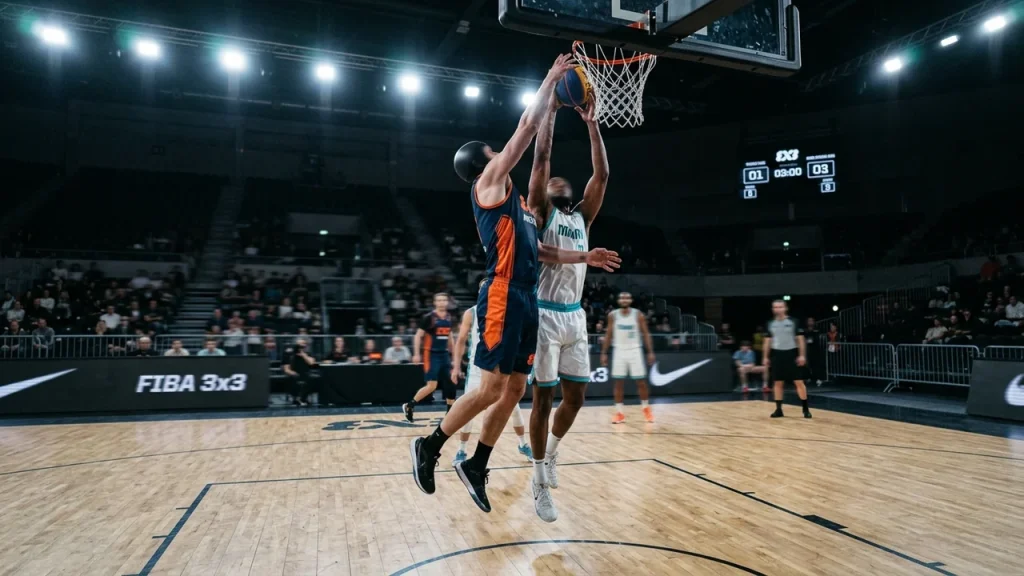
$21,000 is the reported average per-game appearance fee for top players in the 2026 FIBA 3×3 World Tour finals. That figure doesn’t just reward scoring, it reflects the soaring financial stakes tied directly to defensive performance and strategic versatility.
Clubs and agents are recalibrating player value around adaptability to new defensive schemes. The era of strict man-to-man assignments is over. Teams are investing in players whose contracts now reflect the premium on hybrid and matchup defense skills.
Hybrid and Scheme-Based Defenses Reshape Contract Structures
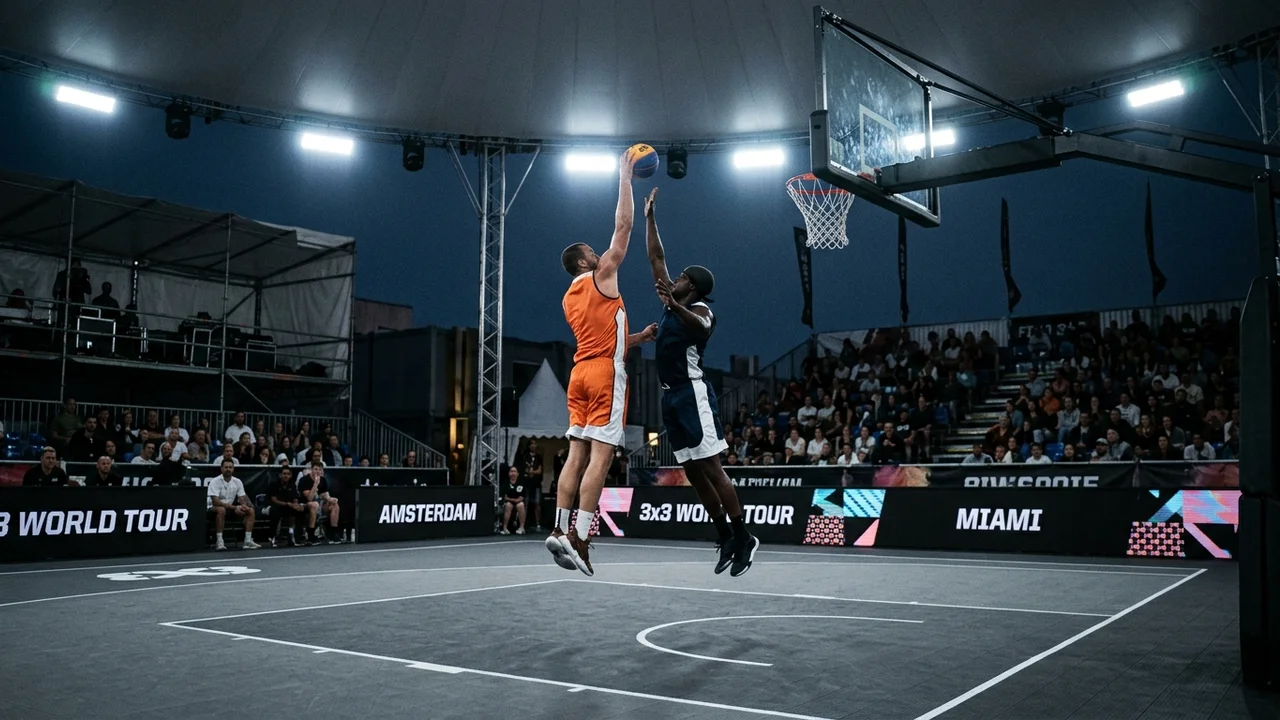
Club executives have overhauled their financial calculus. Perimeter defenders were once valued using traditional, position-based metrics. Today, the market rewards those who can fluidly execute hybrid defenses and adapt to complex, scheme-based assignments. Analysts point out that professional defense in 2026 is less about matching positions and more about executing assignments that shift from possession to possession.
Contract negotiations and transfer activity are feeling the impact. Teams searching for a competitive edge pay a premium for players who not only guard but also interpret sophisticated defensive schemes in real time. The market for these players has inflated rapidly. Some contracts now include appearance bonuses tied to defensive impact metrics, not just points or rebounds.
A recent breakdown of the 2026 FIBA 3×3 World Tour finals shows how defensive prowess translates to financial outcomes:
| Team | Final Score | Defensive Stops (est.) | Star Player Fee (USD) |
|---|---|---|---|
| Amsterdam | 21 | 9 | $21,000 |
| Miami | 14 | 5 | $18,000 |
| Skyliners | 21 | 10 | $21,000 |
| Phoenix | 20 | 8 | $19,000 |
Club analysts now routinely track defensive stops and hybrid assignments, feeding those numbers directly into player appraisals. The difference between a $21,000 and an $18,000 appearance fee can hinge on a player’s ability to execute complex defensive instructions, a direct pipeline from tactical evolution to the bank account.
Transfer fees for defensive specialists have jumped by an estimated 16 percent over the past two seasons, according to industry sources. This inflation is especially pronounced in leagues where hybrid defense schemes dominate. Teams are spending more not just to acquire talent, but to retain and incentivize those whose defensive IQ matches the tactical demands of modern basketball.
Agents representing players with proven scheme adaptability are leveraging these skills at the negotiating table. Some contracts now include escalator clauses: if a player meets team-defined defensive metrics, switches per game, successful rotations, bonuses kick in automatically. Legacy contracts that focused almost exclusively on scoring and rebounding are quickly becoming relics.
A single defensive possession can swing not only a game, but a player’s entire market value.
Youth basketball programs are feeling the ripple effects. Clubs are investing earlier in prospects who show scheme awareness, reportedly tracking defensive versatility as early as age 15. Hybrid defense skills are now seen as a ticket to premium professional contracts.
“We used to chase the guy who could shut down the opposing two-guard,” said one veteran club executive. “Now, we pay for the athlete who can guard three positions and run a matchup zone with one possession’s notice.”
This new market reality is driving a feedback loop. As hybrid and scheme-based defense becomes more valuable, clubs are dedicating larger portions of their budgets to secure and develop this talent, pushing up both salaries and transfer fees.
Today, the defensive playbook is as critical to the bottom line as the offensive one. The next contract cycle is expected to bring even more granular defensive incentives. Some clubs are already trialing wearable tech to quantify a player’s real-time scheme execution.