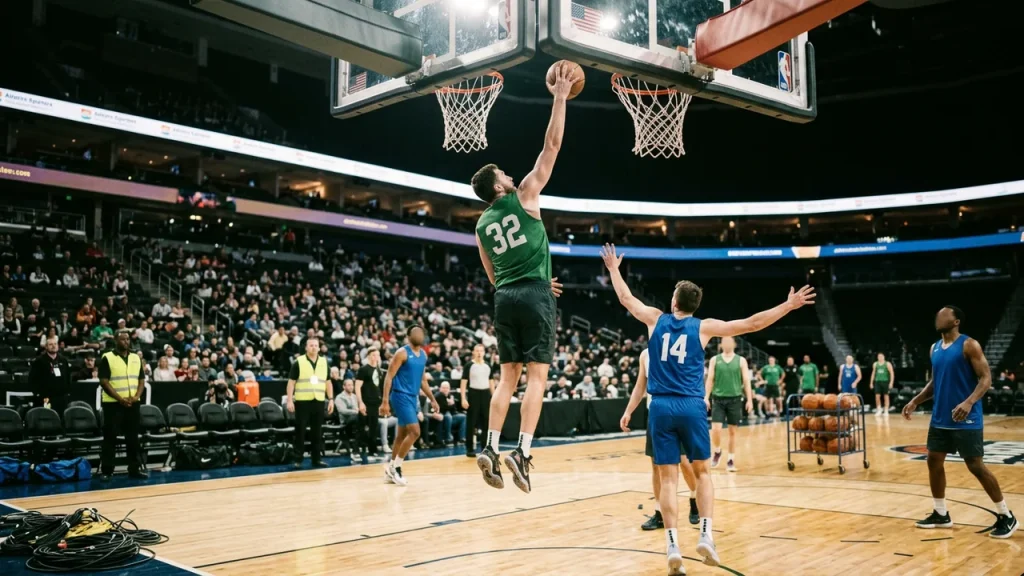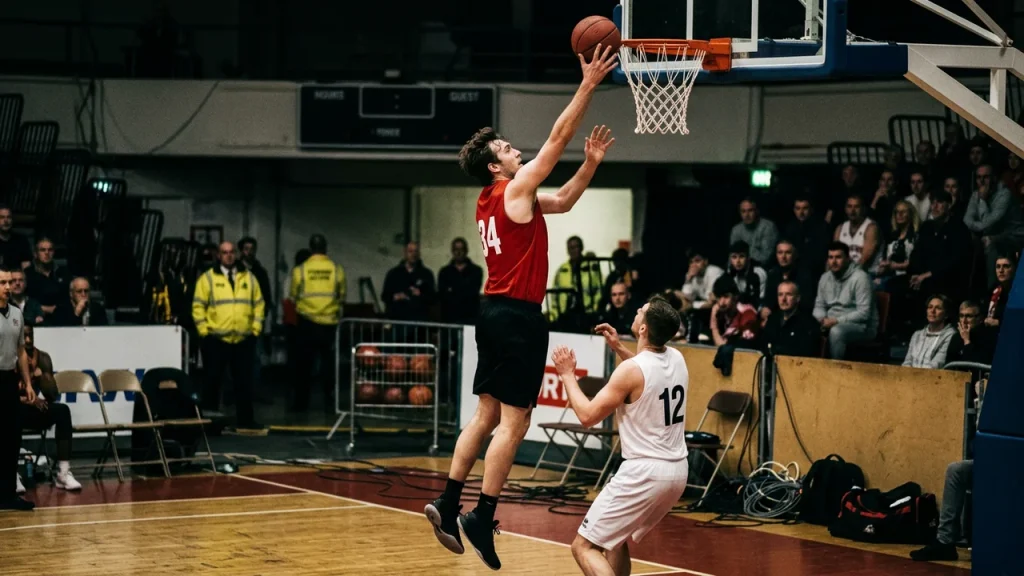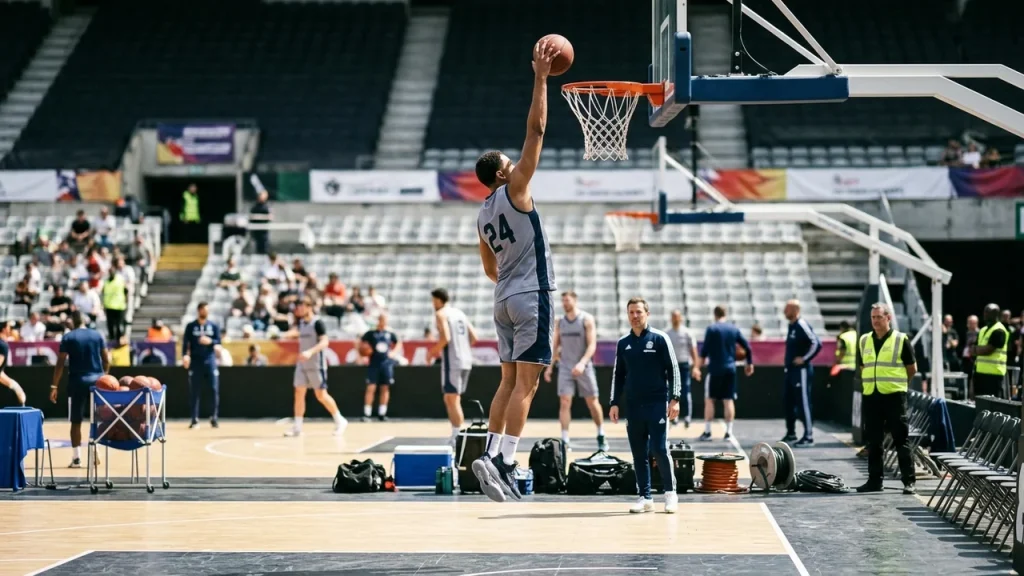
Valencia Basket’s front office has set tongues wagging with the return of Jasiel Rivero on a one-month contract. The Cuban big man’s short-term deal is under the microscope, with analysts dissecting the calculated risk and tactical flexibility Valencia is embracing as Rivero fills in for teammates away on national team duty.
Industry insiders are already questioning the timing and effectiveness of such a temporary signing. “There are legitimate concerns about whether a late addition can be sufficiently integrated ahead of the opening league fixtures,” one basketball executive remarked. For many, this move looks less like a long-term investment and more like a stop-gap solution to cover preseason absences.
Contract structure and financial implications

Rivero’s contract stands out in a market where players of his caliber rarely sign such short-term deals. After averaging 10.8 points and 4 rebounds over 105 games in his previous Valencia stint, he returns as a free agent following his summer departure from Crvena Zvezda. Valencia’s choice to offer only a one-month contract, rather than a season-long or multi-year deal, signals a clear message about the club’s financial caution and roster strategy.
Rivero has been training with the team since August 24, essentially on a trial basis while others are away with their national squads. No transfer fee was involved, and the short-term nature of the agreement shields Valencia from long-term financial risk. For a club juggling a tight budget and unpredictable roster availability, the deal delivers flexibility without the weight of a full-season salary or buyout clause.
Short-term contracts like this are becoming more common across European basketball. Clubs are using them to patch immediate gaps, delay bigger financial commitments, and keep salary space open in case a marquee signing becomes available later in the season.
Roster management and strategic impact
Valencia fans and rival executives are split. Rivero’s familiarity with the club, two full seasons in orange, offers a measure of stability during a turbulent preseason. His previous averages of 10.8 points, 4 rebounds, and a player index rating of 12.2 per game mark him as a steady contributor.
Doubts linger, though, about whether such deals truly serve competitive goals. Spanish basketball circles are openly debating if temporary reinforcements can be “effective in the first weeks of the league, let alone if it takes more weeks to identify and sign longer-term targets.” Critics warn that Valencia could be left scrambling if injuries strike or if key players return late from international duty.
For Rivero, the situation is fraught with both opportunity and risk. After leaving Crvena Zvezda, he gets an immediate stage to prove himself in the Liga Endesa and attract longer-term offers, whether from Valencia or elsewhere. The club’s minimal risk is counterbalanced by the pressure on Rivero to deliver from day one if he wants to secure his future.
Preseason is already underway, and the official campaign looms. Valencia’s board will be watching closely to see if this short-term reunion pays off, on the court and on the balance sheet. The one-month contract for a proven performer like Rivero stands as a bold experiment in transfer market pragmatism, as the club tries to balance fiscal discipline with the demands of competition.